
Humanism: The Idea That Changed Everything
Before the Renaissance transformed art and culture, humanism transformed the way people thought about themselves.

We only have one life.
Or at least, one that we’re aware of, depending on what you believe.
So why spend it worrying about how we’re going to get to heaven when we can create something meaningful right here on earth? Why not place value on making the most of this chance we’ve been given? Why not build a society based on empathy, curiosity, compassion, and a shared responsibility to treat others with dignity and respect, rather than waiting for some divine command?
These questions sit at the heart of one of the most influential intellectual movements in history.
This is humanism.
Humanism was a new way of thinking about what it meant to be human. It underpinned paintings, books, debates about God, and transformed how Europeans understood themselves and their place in the world.
Looking Back to Move Forward
At its core was a rejection of the idea that life was merely a waiting room between birth and the afterlife. Medieval Christianity had often emphasised salvation, sin, and preparation for eternity. Humanists didn’t necessarily reject those concerns. This was not an abandonment of God. Most remained deeply religious but believed this life mattered too. What changed was their emphasis. God had given humanity reason, creativity, and free will, so it was humanity’s responsibility to use them.
The movement was fuelled by the rediscovery and wider circulation of ancient Greek and Roman texts. Scholars uncovered works on history, philosophy, politics, rhetoric, and literature that had been neglected for centuries. These texts encouraged people to think critically, engage with the world around them, and pursue virtue through action rather than simply contemplation.
Education was the key.
Humanism, or studia humanitatis, quickly became the intellectual backbone of the Renaissance. Humanists advocated for a broad education that included grammar, rhetoric, history, poetry, and moral philosophy. This wasn’t simply about becoming knowledgeable. Education was meant to produce better citizens. The goal was not just intelligence, but virtue.
Alongside theology came a renewed interest in civic duty, education, politics, and the physical world. Humanists looked to antiquity (particularly Ancient Greece and Rome) as the height of human achievement. To move forward, they believed society first had to look back. As Isaac Newton would later write, we see further by standing on the shoulders of giants.
Rather than viewing humanity as a fallen species defined primarily by sin, humanists celebrated human potential. They emphasised creativity, intellect, ambition, and the capacity for self-improvement. They believed individuals could shape both themselves and the world around them.
The Renaissance’s Greatest Humanists
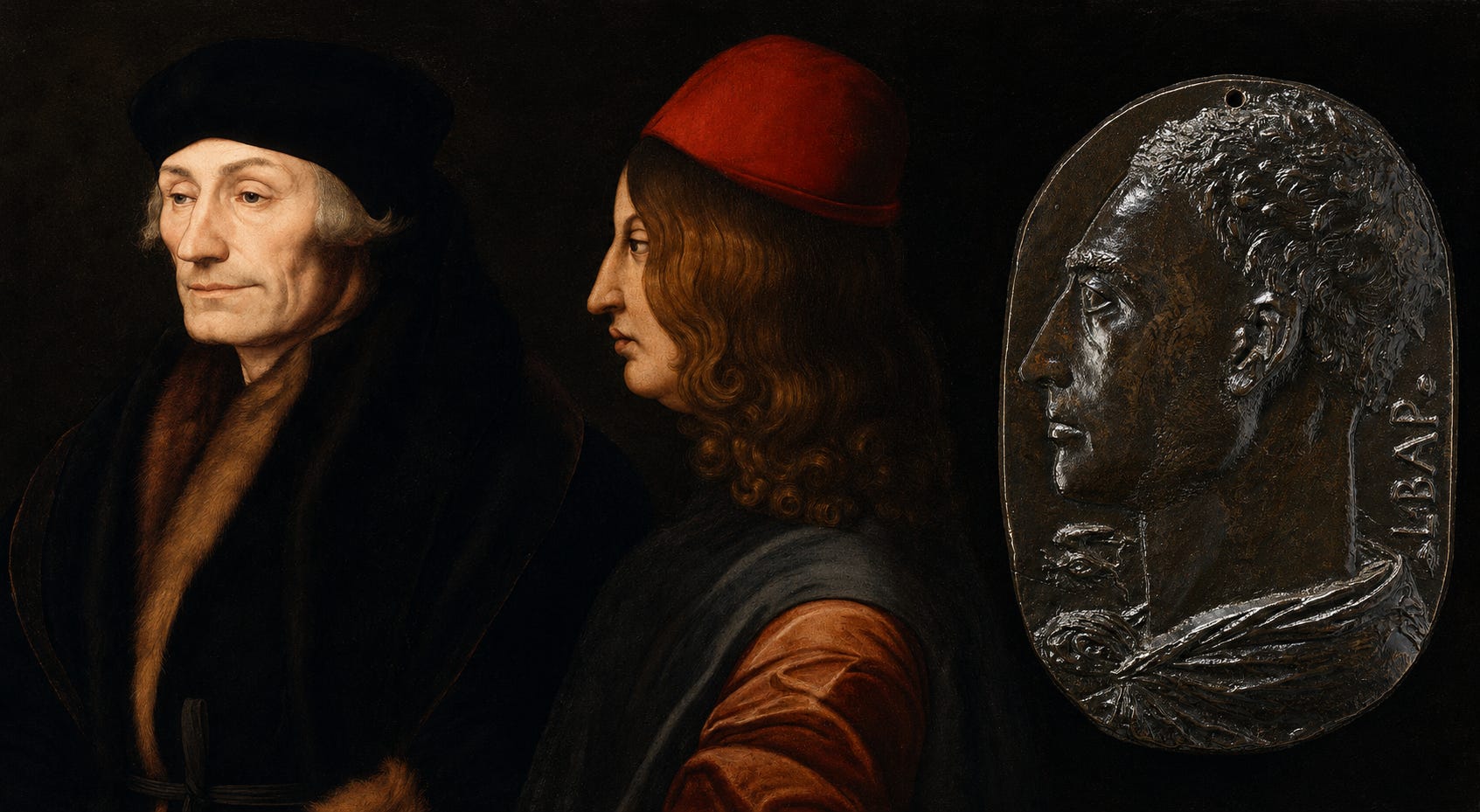
Few embodied these ideals more completely than Leon Battista Alberti.
Architect, mathematician, athlete, painter, writer – Alberti seemed determined to master every field available to him. He famously declared that “a man can do all things if he will”, a statement that perfectly captures the Renaissance faith in human potential.
Then there was Giovanni Pico della Mirandola, whose Oration on the Dignity of Man is often described as the manifesto of the Renaissance. Pico argued that God had granted humans something unique: the freedom to shape themselves. We could descend into ignorance and vice or elevate ourselves through knowledge and virtue. The choice was ours.
And in Northern Europe, Desiderius Erasmus became known as the “Prince of the Humanists”. Using his classical education, he criticised corruption within the Catholic Church while remaining committed to Christianity itself. He believed society could be improved through education, scholarship, and a return to the earliest Christian texts.
But What About Women?
If humanism celebrated the potential of humanity, then surely women were included too?
Many elite women received humanist educations alongside their brothers. They learned Latin and Greek, studied philosophy, practised rhetoric, and engaged with classical literature.
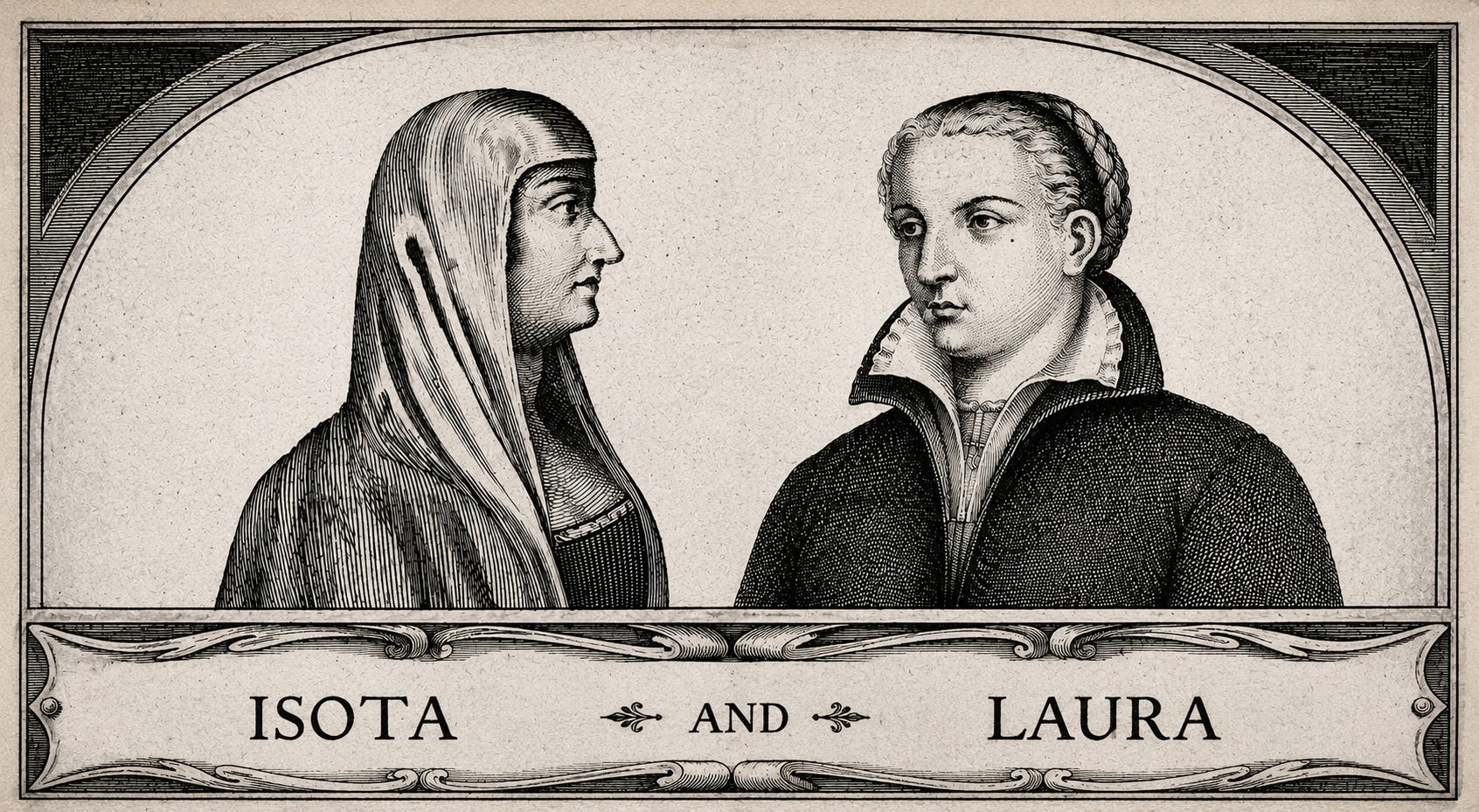
Some became remarkable scholars in their own right. Laura Cereta and Isotta Nogarola corresponded with leading intellectuals and debated complex philosophical questions. They demonstrated that women were every bit as capable of participating in Renaissance intellectual life as men.
Yet they faced a frustrating contradiction.
For men, a humanist education prepared them for public life: politics, leadership, diplomacy, and civic service. For women, the same education was generally expected to remain within the home. It was intended to make them eloquent wives, capable mothers, and effective educators of their children.
The intellectual tools were the same. The opportunities were not.
Still, many women used those very tools to challenge the restrictions imposed upon them. Through letters, essays, and intellectual debate, they began constructing powerful arguments in defence of women’s abilities and worth. Humanism may not have created gender equality, but it gave women new intellectual weapons with which to challenge existing assumptions.
Italian Humanism vs Northern Humanism
Like all great ideas, humanism adapted to the places it reached.
Italian humanism tended to be more secular, civic, and artistic. Scholars immersed themselves in classical literature and philosophy. Artists celebrated the beauty of the human form. Political thinkers debated the nature of citizenship and government.
Northern humanism developed differently.
Thinkers such as Erasmus focused more heavily on Christianity, church reform, and social criticism. Alongside their interest in classical literature, they focused heavily on recovering the original Hebrew and Greek versions of biblical texts.
Italian humanists sought to create the ideal citizen.
Northern humanists sought to create a better Christian society.
While Italians painted grand frescoes celebrating human achievement, northern scholars translated the Bible into vernacular languages so ordinary people could engage with scripture directly.
The methods differed, but the underlying belief remained the same: education and knowledge could improve both individuals and society.
Why Humanism Still Matters
Humanism didn’t solve the world’s problems.
It didn’t eliminate war, poverty, inequality, or religious conflict.
What it did do was change the questions people were allowed to ask.
It shifted attention away from survival and salvation alone and insisted that human life had value in the here and now. It argued that our minds matter. Our choices matter. Our potential matters.
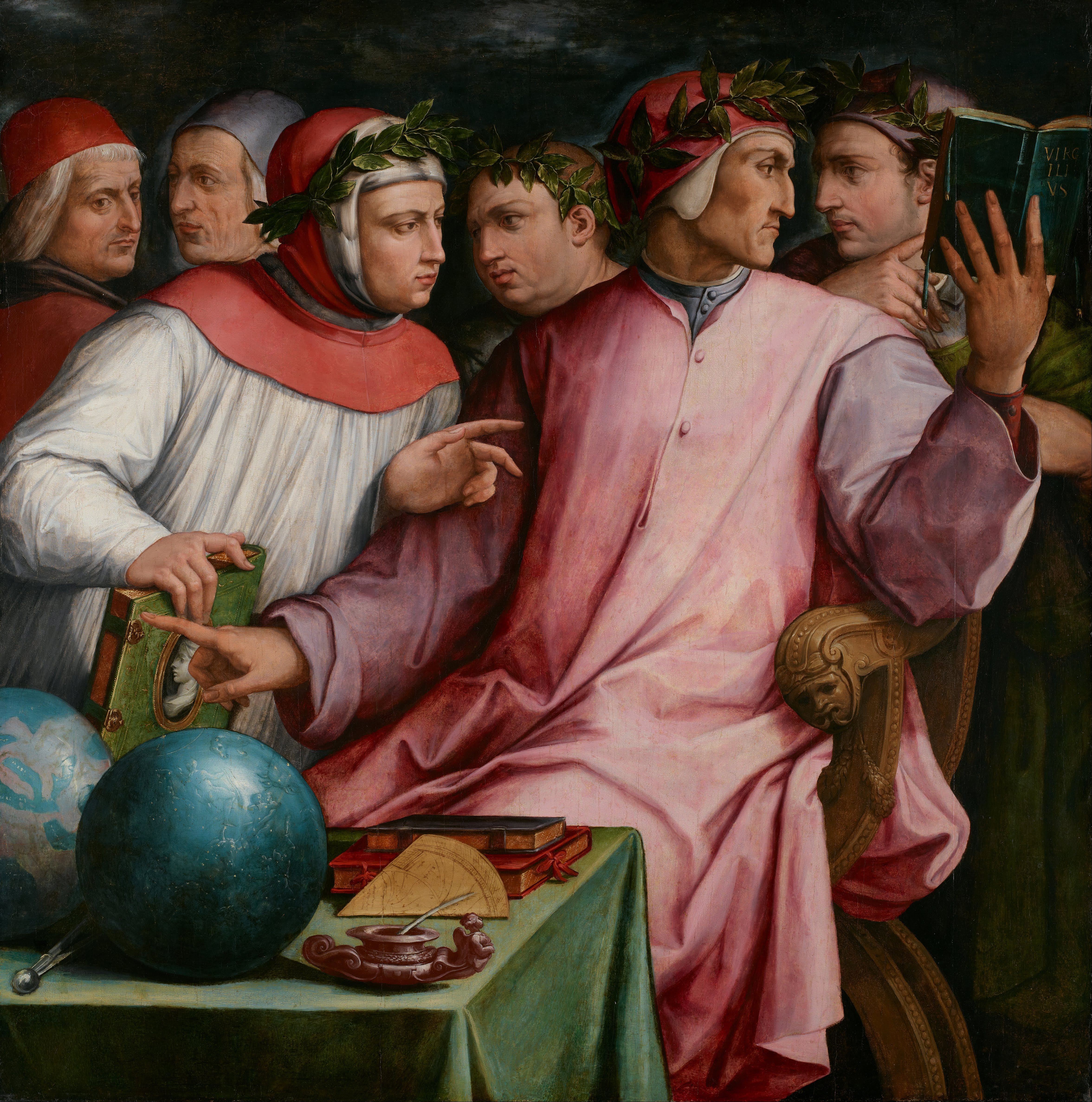
In the fifteenth and sixteenth centuries, humanism helped transform Western civilisation. It transformed education, politics, religion, literature, and art. It laid foundations that continue to shape modern society.
Which makes one modern debate particularly striking. The movement that helped create the modern world emerged from studying history, literature, languages, philosophy, and rhetoric. Yet today, we constantly find ourselves defending the value of a degree in the humanities.
The Renaissance humanists would probably find that rather strange.